Choosing the right hearing aid can be difficult, especially with so many prescription and over-the-counter (OTC) options available today. Hearing aids vary significantly in price, design, battery life, sound processing, connectivity and the level of professional support available.
Affiliate Disclosure: This article may contain affiliate links. If you make a purchase through links on this page, we may earn a commission at no additional cost to you. Our recommendations are based on our editorial judgment and are not influenced by affiliate commissions.
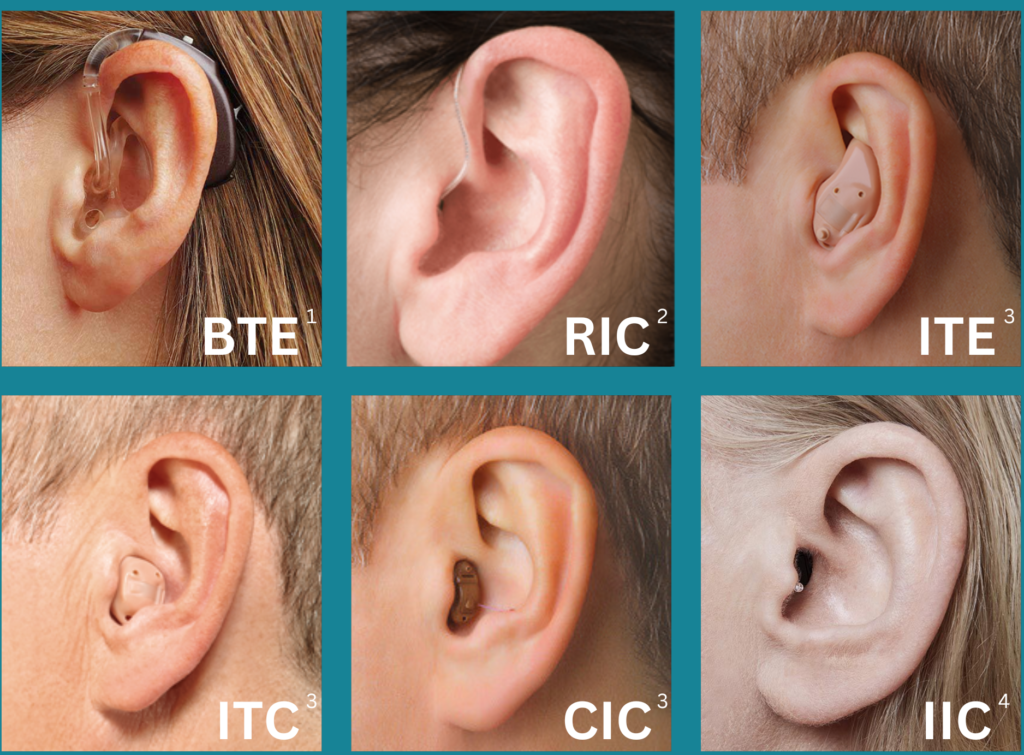
In this guide, we look at some of the notable hearing aids available in 2026 and explain what makes each type useful for different needs. We also cover hearing aid prices, OTC vs. prescription devices, important features and what to consider before buying.
Important: This article is for general informational purposes and is not a substitute for a hearing evaluation or medical advice. If you are experiencing hearing difficulties, speak with an audiologist or other qualified hearing professional.
Quick Overview
The best hearing aid for one person may not be the right choice for another. Factors such as the severity of hearing loss, lifestyle, comfort, budget and desired features all matter.
Some users may prefer an affordable OTC hearing aid that they can set up themselves, while people with more significant or complicated hearing loss may benefit from a prescription device fitted by a hearing professional.
Hearing Aids Worth Considering in 2026
| Hearing Aid | Best For | Approx. Price Per Pair* | Type | Hearing Loss | Check Latest Price |
|---|---|---|---|---|---|
| Elehear Beyond | Overall value | Around $449 | RIC / OTC | Mild to moderate | Check Latest Price → |
| Sennheiser All-Day Clear | Self-fitting | Around $999 | RIC / OTC | Mild to moderate | Check Latest Price → |
| Starkey Edge AI | Advanced AI technology | Around $3,000+ | RIC / Prescription | Mild to profound | Check Latest Price → |
| Phonak Audéo Sphere Infinio | Wider range of hearing loss | From around $3,500+ | RIC / Prescription | Mild to profound | Check Latest Price → |
| Lucid Engage | Budget-conscious buyers | Around $650 | RIC / OTC | Mild to moderate | Check Latest Price → |
| Lexie B2 Plus | User-friendly experience | Around $900 | RIC / OTC | Mild to moderate | Check Latest Price → |
| Oticon Intent | Advanced prescription technology | Around $2,900+ | RIC / Prescription | Mild to severe | Check Latest Price → |
*Prices can change by retailer, promotions, location and whether professional services are included.
*Prices can change by retailer, promotions, location and whether professional services are included.
1. Elehear Beyond — Best Overall Value
The Elehear Beyond is an OTC receiver-in-canal hearing aid aimed primarily at adults with mild to moderate hearing loss.
Its combination of a relatively accessible price, app-based controls and modern sound-processing features makes it an interesting option for people who want a hearing aid without the higher upfront cost often associated with prescription devices.
Key Features
- Receiver-in-canal design
- Intended for mild to moderate hearing loss
- Rechargeable battery
- Smartphone app support
- Noise-reduction features
- AI-assisted sound processing
- Remote customer support
Who Should Consider It?
It may be worth considering for adults who want a relatively affordable OTC option and are comfortable setting up and adjusting their hearing aids themselves.
2. Sennheiser All-Day Clear — Best for Self-Fitting
The Sennheiser All-Day Clear is designed for people who want a simpler self-fitting experience without going through the traditional prescription hearing-aid process.
The device uses an app to help users configure their hearing experience, which can be particularly useful for people who prefer controlling their device from a smartphone.
Key Features
- OTC hearing aid
- Receiver-in-canal design
- App-based setup
- Rechargeable operation
- Designed for mild to moderate hearing loss
- Sound enhancement for conversations
Potential Advantage
Self-fitting can make the buying process more convenient. However, users should understand that convenience does not necessarily replace professional hearing care, particularly when hearing loss is more complicated.
3. Sony CRE-E10 — Best for Battery Life
The Sony CRE-E10 is an in-the-ear hearing aid designed for adults with mild to moderate hearing loss.
One of its notable advantages is battery performance, making it potentially attractive to users who don’t want to recharge their hearing aids as frequently.
Key Features
- In-the-ear design
- OTC availability
- Up to roughly 26 hours of battery life under stated conditions
- Wind-noise reduction
- Digital sound processing
- Smartphone-related features
Who May Like It?
This type of hearing aid can appeal to people who prioritize battery endurance and a relatively discreet in-ear design.
4. Phonak Audéo Sphere Infinio — Best for a Broad Range of Hearing Loss
Unlike OTC devices designed primarily for mild to moderate hearing loss, the Phonak Audéo Sphere Infinio is a prescription hearing aid intended for a broader range of hearing loss.
It is a receiver-in-canal device and includes advanced sound-processing technology designed to improve speech understanding in challenging listening environments.
Key Features
- Prescription hearing aid
- Receiver-in-canal design
- Rechargeable
- Bluetooth connectivity
- Advanced speech-processing technology
- Suitable for a wider range of hearing loss
- Noise-management features
Who Should Consider It?
People with moderate, severe or more complex hearing loss should generally discuss prescription options with a hearing professional rather than relying solely on an OTC device.
5. Lucid Engage — Budget-Friendly Option
For shoppers who want to keep their initial spending lower, the Lucid Engage offers an OTC receiver-in-canal format at a comparatively accessible price.
Its design combines a speaker positioned in the ear with a behind-the-ear component.
Key Features
- OTC hearing aid
- RIC design
- Rechargeable
- Smartphone app
- Moisture-resistant design
- Intended for mild to moderate hearing loss
Things to Consider
Lower-cost hearing aids can be appealing, but price should not be the only factor. Fit, sound quality, customization, customer support and warranty coverage can have a major impact on the overall experience.
6. Lexie B2 Plus — Good Choice for User Support
The Lexie B2 Plus is another OTC receiver-in-canal option for mild to moderate hearing loss.
One of its advantages is the emphasis on customer support and an app-based experience.
Key Features
- RIC design
- Rechargeable
- Smartphone app
- Self-fitting capabilities
- Remote support
- Trial and warranty options may be available depending on purchase terms
Who Is It For?
It can be a reasonable option for people who want an OTC hearing aid but still value access to assistance when setting up or adjusting the device.
7. Oticon Intent — Advanced Prescription Option
Oticon Intent is a prescription receiver-in-canal hearing aid designed for people who need a more customized hearing solution.
Prescription hearing aids can be professionally programmed according to an individual’s hearing profile, which can be particularly important when hearing loss varies substantially between frequencies or ears.
Key Features
- Prescription hearing aid
- Receiver-in-canal design
- Rechargeable options
- Wireless connectivity
- Advanced sound processing
- Professional fitting and customization
Why Professional Fitting Matters
The effectiveness of a hearing aid depends not only on the hardware but also on how appropriately it is fitted and programmed for the wearer.
OTC vs. Prescription Hearing Aids
One of the biggest decisions you’ll make is whether to purchase an OTC hearing aid or a prescription device.
OTC Hearing Aids
OTC hearing aids are intended for adults who perceive themselves to have mild to moderate hearing loss. They can generally be purchased directly without a prescription or traditional professional fitting.
Advantages:
- Usually lower upfront cost
- Easy to purchase
- Available online and in stores
- Self-fitting options
- Convenient for many users
Potential limitations:
- Less professional involvement
- May not be appropriate for significant hearing loss
- Self-adjustment can be challenging
- Not every device provides the same level of customization
Prescription Hearing Aids
Prescription devices are typically selected and programmed with help from a hearing professional.
Advantages:
- More individualized fitting
- Suitable for a broader range of hearing loss
- Professional adjustments
- More advanced customization options
- Ongoing professional support may be available
Potential disadvantages:
- Higher cost in many cases
- Professional appointments may be required
- Buying process can take longer
The National Institute on Deafness and Other Communication Disorders notes that OTC hearing aids are intended for adults with perceived mild to moderate hearing loss, while prescription hearing aids may be appropriate when more significant or complicated hearing loss is present.
How Much Do Hearing Aids Cost?
Hearing aid prices can range from several hundred dollars to several thousand dollars per pair.
The final cost can depend on:
- Brand and model
- OTC vs. prescription status
- Hearing technology
- Rechargeable batteries
- Bluetooth and streaming features
- Professional fitting
- Follow-up appointments
- Warranty
- Repairs and maintenance
- Retailer pricing
For example, current 2026 pricing data from the products reviewed in our comparison ranges from roughly $449 for some OTC options to more than $3,500 for certain prescription models.
Remember that the lowest-priced device is not automatically the best value. A hearing aid that fits comfortably and provides useful speech clarity may be a better investment than a cheaper device that you rarely wear.
Important Hearing Aid Features to Look For
1. Sound Quality
Good sound processing should make speech easier to understand while keeping environmental sounds comfortable.
2. Background Noise Reduction
If you frequently visit restaurants, meetings or other busy environments, noise-management technology can be especially useful.
3. Bluetooth Connectivity
Bluetooth can allow compatible hearing aids to connect with phones and other devices for calls, music and other audio.
4. Rechargeable Battery
Rechargeable hearing aids eliminate the need to regularly purchase and replace disposable batteries.
5. Smartphone App
An app can make it easier to adjust volume, programs and other settings.
6. Comfort
A hearing aid may have excellent technology but still be a poor choice if it is uncomfortable to wear.
7. Warranty and Support
Before buying, check the warranty period, return policy, repair coverage and availability of customer support.
Which Hearing Aid Is Best for Seniors?
There isn’t one hearing aid that is automatically best for every senior.
Older adults may want to prioritize:
- Comfortable fit
- Simple controls
- Easy charging
- Clear speech
- Reliable customer support
- Easy-to-use smartphone controls
- Appropriate amplification for their hearing loss
Someone with mild hearing loss may be comfortable using an OTC model, while someone with more severe hearing loss may benefit more from a professionally fitted prescription device.
How to Choose the Right Hearing Aid
Start by understanding your hearing loss.
A hearing evaluation can help determine how much hearing loss you have and whether the problem may require medical attention rather than simply amplification.
NIDCD explains that hearing aids can be useful for certain types of hearing loss, but they do not restore normal hearing. The appropriate device depends on the type and severity of hearing loss.
After that, consider these questions:
What is my hearing loss level?
OTC hearing aids are primarily intended for mild to moderate hearing loss. More significant hearing loss may require professional evaluation and prescription technology.
Where do I use my hearing aids?
Someone who mostly listens to conversations at home may have different needs from someone who frequently attends restaurants, meetings or concerts.
Do I want rechargeable batteries?
Rechargeable models can be easier for people who don’t want to handle small disposable batteries.
Do I need Bluetooth?
If you frequently make phone calls or stream audio, Bluetooth compatibility may be an important feature.
How much support do I want?
If you prefer professional fitting and ongoing adjustments, a prescription hearing aid may be more suitable.
When Should You See a Hearing Professional?
Consider getting professional help if:
- Your hearing loss is significant
- Hearing is noticeably worse in one ear
- Your hearing changes suddenly
- You experience ear pain or drainage
- You have persistent ringing or other concerning symptoms
- An OTC hearing aid isn’t providing enough benefit
- You have difficulty understanding speech even after amplification
A hearing professional can help determine whether a hearing aid is appropriate and which type of device may fit your hearing profile.
Frequently Asked Questions
What is the best hearing aid in 2026?
There is no universally best hearing aid. The right choice depends on hearing loss severity, lifestyle, comfort, desired features and budget. OTC models can be useful for adults with perceived mild to moderate hearing loss, while prescription models may be better for people who need more extensive customization.
Are OTC hearing aids safe?
FDA-regulated OTC hearing aids are intended for adults with perceived mild to moderate hearing loss. However, people with more significant or unusual hearing symptoms should seek professional evaluation rather than assuming an OTC device is appropriate.
Are expensive hearing aids better?
Not necessarily. A higher price can reflect additional technology, professional services and customization, but the most expensive hearing aid may not be the best match for every user.
How long do hearing aids last?
The lifespan of a hearing aid depends on the device, usage, maintenance, moisture exposure and battery technology. Regular cleaning and proper storage can help protect the device.
Can hearing aids restore normal hearing?
No. Hearing aids amplify and process sound to help people hear more effectively, but they do not restore normal hearing.
Should I buy one hearing aid or two?
If hearing loss affects both ears, two hearing aids are often recommended because binaural hearing can help with understanding speech and determining where sounds originate. A hearing professional can advise you based on your hearing evaluation.
Final Verdict
The best hearing aid is ultimately the one that matches your hearing needs, lifestyle and budget.
For adults with perceived mild to moderate hearing loss, OTC devices can provide a convenient alternative to traditional prescription hearing aids. Those with more significant, complicated or asymmetric hearing loss should consider getting a professional hearing evaluation before choosing a device.
When comparing hearing aids, don’t focus only on price. Look at sound quality, comfort, battery life, connectivity, customization, warranty and customer support.
Most importantly, choose a device you can comfortably wear and use consistently. A hearing aid only helps when it becomes part of your everyday life.
Medical Disclaimer
This article is intended for educational and informational purposes only. It does not provide medical advice, diagnosis or treatment. Hearing problems can have different causes, and a hearing aid may not be appropriate for every condition. Consult a qualified audiologist, ENT specialist or other healthcare professional for personalized advice.
About the Author — Albert
Albert is a Consumer Research Writer & Editor at Smart Deals Path. He researches products, compares features and pricing, and creates practical buying guides.
Learn more about Albert →