Choosing the right dog food is one of the most important decisions you can make as a pet owner. A good diet should provide complete and balanced nutrition while matching your dog’s age, size, activity level, and individual needs.
The challenge is that today’s market offers hundreds of formulas, from traditional dry kibble and wet food to fresh and specialized recipes. What works well for one dog may not be the right choice for another.
To make the decision easier, we’ve compared several established dog food options available in 2026, looking at their nutritional positioning, life-stage suitability, food type, price, convenience, and overall value.
Affiliate Disclosure: Smart Deals Path may earn a commission when you purchase products through links on this page, at no additional cost to you. This does not affect the price you pay or our editorial recommendations.
Important: This guide is for general informational purposes and is not a substitute for veterinary advice. If your dog has a diagnosed medical condition, food allergy, persistent digestive symptoms, or specific nutritional requirements, consult your veterinarian before changing its diet.
Our Top Dog Food Picks for 2026
| Dog Food | Best For | Food Type | Life Stage | Check Latest Price |
|---|---|---|---|---|
| Hill’s Science Diet Adult Chicken & Barley | Best Overall | Dry Kibble | Adult | Check Latest Price → |
| Purina Pro Plan Sensitive Skin & Stomach | Best for Sensitive Dogs | Dry Kibble | Adult | Check Latest Price → |
| Royal Canin Size Health Nutrition | Best Size-Specific | Dry Kibble | Adult | Check Latest Price → |
| Purina Pro Plan Sport Performance | Best for Active Dogs | Dry Kibble | All Life Stages* | Check Latest Price → |
| JustFoodForDogs Chicken & Rice | Best Fresh Food | Fresh/Frozen | Recipe-dependent | Check Latest Price → |
| IAMS ProActive Health Mature Adult | Best Budget-Friendly | Dry Kibble | Mature Adult | Check Latest Price → |
*Prices are representative current listings for the package size shown and can change based on retailer, promotions, package size, and availability. Life-stage suitability also varies by specific formula, so always check the product label before purchasing.
1. Hill’s Science Diet Adult Chicken & Barley — Best Overall
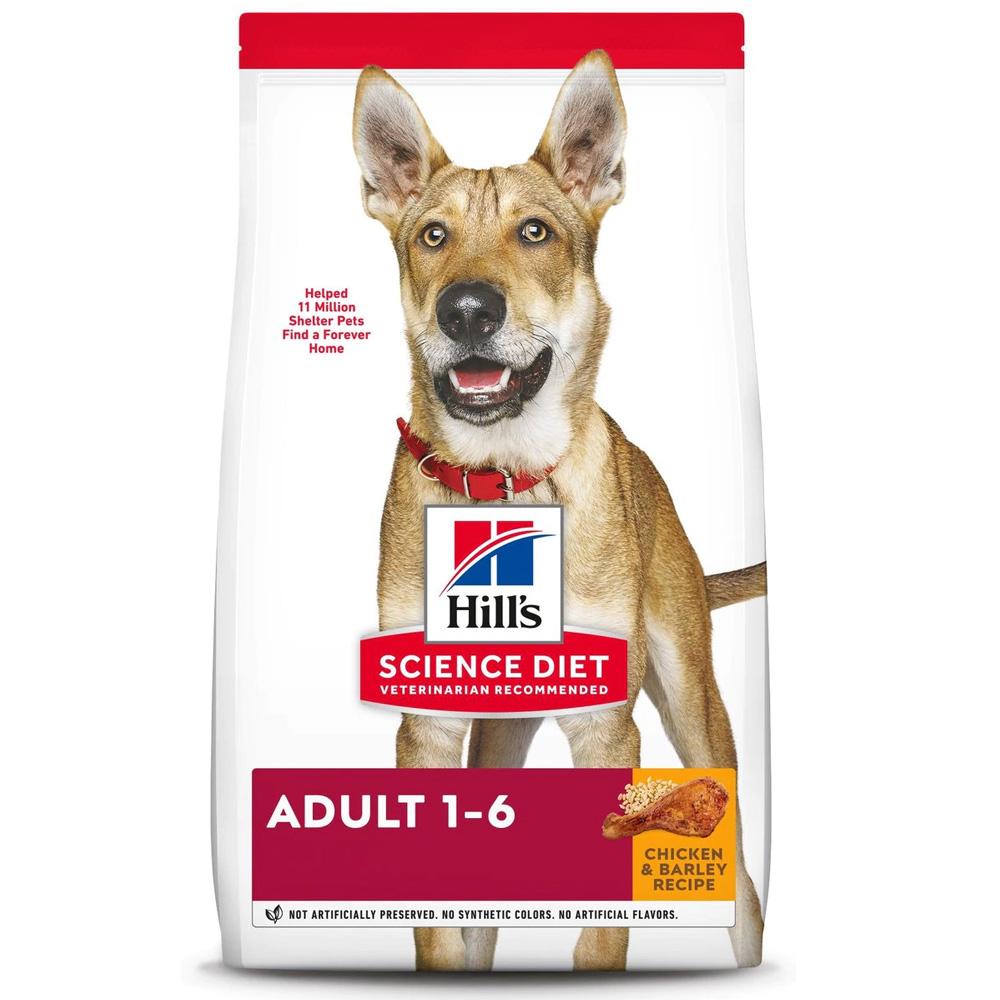
Hill’s Science Diet Adult Chicken & Barley is a strong choice for owners looking for an established adult dog food from a major nutrition-focused manufacturer.
The formula is designed for adult dogs and provides a conventional dry-kibble format that is convenient to store, portion, and serve.
Current listings show the 15-lb bag at approximately $55.99, although the actual price can vary between retailers.
Key Features
- Adult maintenance formula
- Chicken and barley recipe
- Dry kibble
- Designed for adult dogs
- Established nutrition-focused brand
- Widely available
Pros
- Well-established brand
- Convenient dry-food format
- Appropriate for adult dogs
- Easy to portion and store
- Multiple formula options available
Cons
- Premium pricing compared with some basic dog foods
- Not intended to meet every specialized dietary need
- The correct formula depends on the individual dog
Why We Like It
The main appeal is balance.
Hill’s offers a broad selection of formulas for different life stages and nutritional needs, making it easier for owners to stay within the same product family if their dog’s requirements change.
Current veterinary-reviewed guides include Hill’s among the established dog food brands worth considering.
Best For
Best for owners looking for an established everyday adult dog food with a research-focused nutritional approach.
2. Purina Pro Plan Sensitive Skin & Stomach — Best for Sensitive Dogs
Dogs with dietary sensitivities may benefit from formulas specifically designed around digestive and skin-related nutritional considerations.
Purina Pro Plan Sensitive Skin & Stomach is one of the better-known options in this category, with multiple recipe and protein choices available.
A current listing for the lamb and oatmeal formula shows approximately $54.48 for a 16-lb bag.
Key Features
- Sensitive skin and stomach positioning
- Multiple protein options
- Adult formulas available
- Dry-kibble format
- Established manufacturer
- Widely available
Pros
- Multiple recipe choices
- Designed with sensitive dogs in mind
- Easy to find from major retailers
- Convenient dry format
- Several size and formula options
Cons
- Individual dogs may respond differently
- Some formulas can be relatively expensive
- Not a substitute for a veterinary therapeutic diet
Why We Like It
The variety is one of its biggest strengths.
Instead of having only one sensitive-dog formula, Purina offers multiple recipes and configurations, giving owners more flexibility when selecting an appropriate option.
Veterinary-reviewed sources also include Purina Pro Plan among established dog food lines worth considering.
Best For
Best for owners looking for an established everyday formula designed around sensitive skin and stomach considerations.
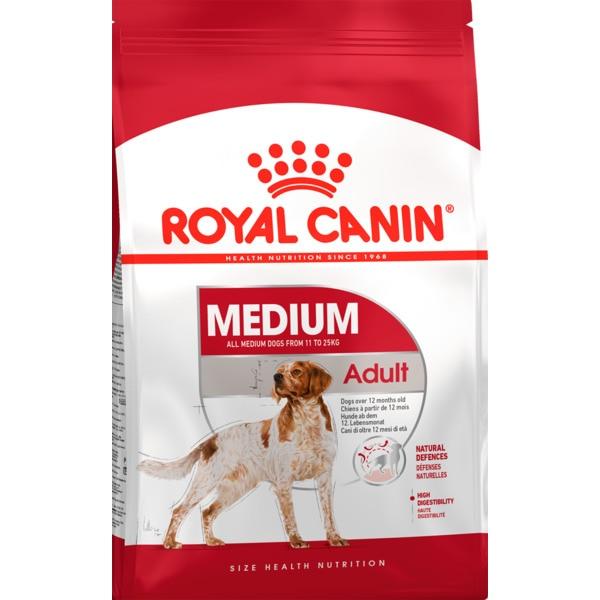
3. Royal Canin Size Health Nutrition — Best Size-Specific Dog Food
Royal Canin takes a highly targeted approach to dog nutrition, offering formulas based on factors such as size, age, breed, and nutritional requirements.
Its Size Health Nutrition range is particularly useful for owners who want a formula designed around their dog’s size.
For example, a current listing for Royal Canin Size Health Nutrition Small Adult shows approximately $99.99 for a 30-lb bag.
Key Features
- Size-specific formulas
- Small, medium, and large dog options
- Multiple life-stage formulas
- Dry-kibble format
- Extensive product range
- Complete-and-balanced formulas available
Pros
- Extensive size-specific selection
- Easy to match food to dog size
- Multiple life-stage choices
- Established manufacturer
- Widely available
Cons
- Premium pricing
- Large product range can be confusing
- Not every formula is appropriate for every dog
Why We Like It
The biggest advantage is customization.
A small dog and a large dog don’t necessarily have identical nutritional requirements, and Royal Canin’s product range allows owners to narrow their selection based on size.
Royal Canin is also frequently included in current veterinary-reviewed dog food guides.
Best For
Best for owners who want a dog food formula selected around their dog’s size and life stage.
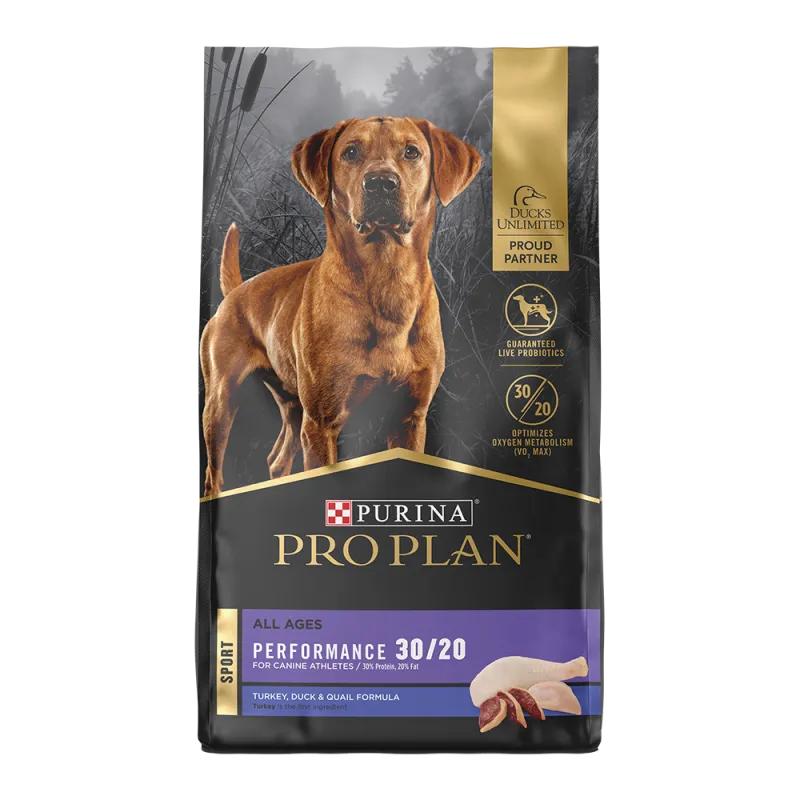
4. Purina Pro Plan Sport Performance — Best for Active Dogs
Highly active dogs can have different energy requirements from dogs with a more sedentary lifestyle.
Purina Pro Plan Sport Performance is designed for dogs with higher activity levels and performance-oriented nutritional needs.
Key Features
- Performance-oriented nutrition
- Higher-energy positioning
- Multiple protein options
- Dry-kibble format
- Options for active and working dogs
- Formula availability varies by life stage
Pros
- Designed for active dogs
- Multiple formula options
- Suitable for demanding activity levels
- Established manufacturer
- Convenient dry-food format
Cons
- May provide more energy than a typical household dog needs
- Not automatically the best choice for every adult dog
- Price varies by formula and bag size
Why We Like It
This is a category where matching the food to the dog’s lifestyle is especially important.
An athletic, working, or highly active dog may require a different nutritional approach than a dog that gets only moderate daily exercise.
Best For
Best for active, athletic, sporting, or working dogs whose energy requirements are higher than average.
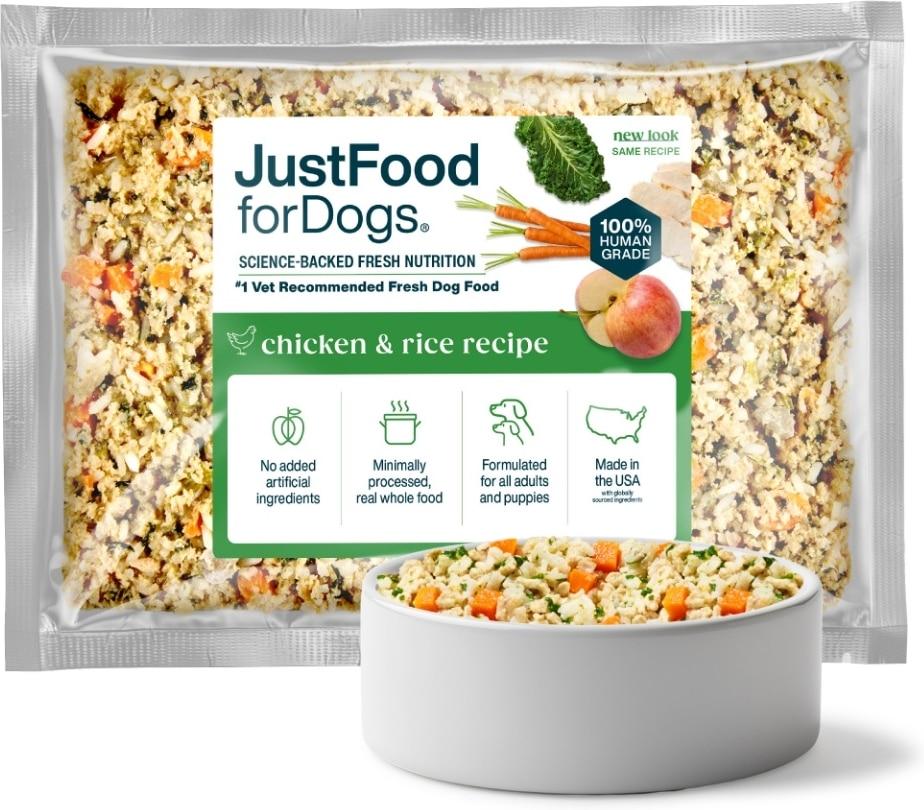
5. JustFoodForDogs Chicken & Rice — Best Fresh Food
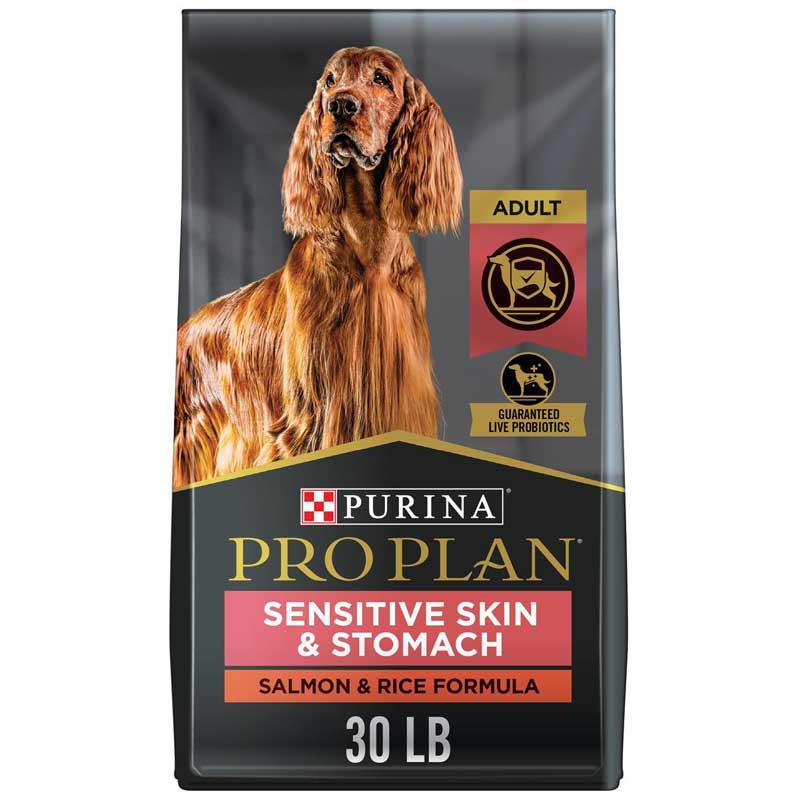
Fresh dog food has become increasingly popular among owners who want an alternative to traditional dry kibble.
JustFoodForDogs offers fresh and frozen recipes, including Chicken & Rice.
A current listing shows the Chicken & Rice frozen recipe at approximately $35.99 for 72 oz.
Key Features
- Fresh/frozen format
- Chicken & Rice recipe
- Whole-food-oriented formulation
- Requires refrigeration/freezer storage
- Multiple recipe options
- Fresh feeding format
Pros
- Fresh-food format
- Appealing option for owners who prefer minimally processed meal formats
- Multiple recipes
- Convenient portioning once prepared
Cons
- More expensive than many dry foods
- Requires freezer or refrigerator space
- Shorter storage window after thawing
- Feeding cost can vary considerably by dog size
Why We Like It
Fresh food is mainly about feeding preference and convenience rather than simply being “better” for every dog.
For owners who specifically prefer fresh or frozen meals and are comfortable with the additional storage requirements, JustFoodForDogs provides a well-known option.
Current pet-food guides include fresh-food options alongside conventional dry and wet diets.
Best For
Best for owners who prefer a fresh or frozen feeding format and are comfortable with the additional cost and storage requirements.
6. IAMS ProActive Health Mature Adult — Best Budget-Friendly Option
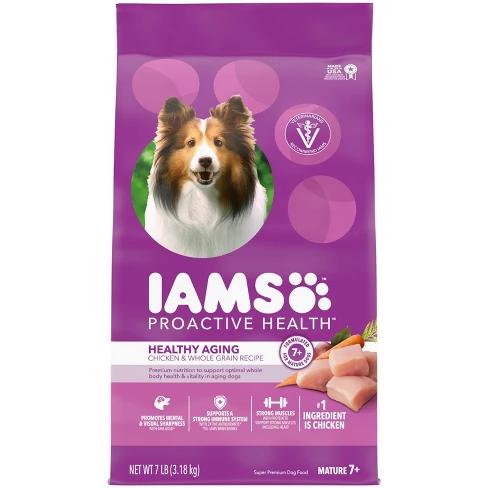
Not every dog owner wants to pay premium prices for everyday food.
IAMS ProActive Health Mature Adult is worth considering for owners looking for an established mainstream option for mature dogs without moving into the premium price category.
Key Features
- Mature-adult positioning
- Dry kibble
- Budget-conscious option
- Widely available
- Multiple package sizes
Pros
- More accessible price point
- Convenient dry format
- Widely available
- Designed specifically for mature dogs
Cons
- Fewer specialized choices than some premium brands
- Formula suitability depends on the individual dog
- Price varies by bag size and retailer
Why We Like It
The biggest advantage is value.
For households with larger dogs, food costs can become significant over time. A reputable mainstream formula at a more accessible price can make consistent feeding easier to maintain.
Best For
Best for owners looking for a practical, budget-conscious food option for mature adult dogs.
What Should You Look for in Dog Food?
Choosing dog food based only on the ingredient list can be misleading.
Instead, consider the complete nutritional picture.
1. Complete and Balanced Nutrition
Look for a product that is appropriate for your dog’s life stage and carries the applicable nutritional adequacy statement.
Current veterinary guidance emphasizes selecting food based on nutritional adequacy, life stage, size, and the individual dog’s needs.
2. Life Stage
Puppies, adult dogs, and senior dogs can have different nutritional requirements.
Don’t assume that an adult formula is appropriate for a growing puppy.
3. Size
Small and large dogs can have different nutritional needs.
Size-specific formulas can simplify the selection process.
4. Activity Level
An active working dog may require more energy than a sedentary household pet.
Choosing a high-energy formula simply because it sounds more nutritious isn’t necessarily appropriate.
5. Manufacturer Expertise
Look at more than the marketing on the front of the bag.
Consider the manufacturer’s nutritional expertise, quality-control processes, research, and ability to formulate complete diets.
6. Your Dog’s Individual Response
Even a highly regarded food may not be suitable for every dog.
Monitor your dog’s appetite, stool quality, body condition, and overall tolerance after a diet change.
Dry Dog Food vs. Wet Dog Food vs. Fresh Food
There is no single format that’s automatically best for every dog.
Dry Dog Food
Advantages:
- Convenient
- Easy to store
- Easy to portion
- Generally lower cost per serving
- Long shelf life
Wet Dog Food
Advantages:
- Higher moisture content
- Soft texture
- Often appealing to picky eaters
- Easy to mix with dry food
Fresh/Frozen Dog Food
Advantages:
- Fresh-food format
- Different texture and preparation
- Often uses recognizable whole-food ingredients
- Variety of recipes
Potential disadvantages:
- Higher cost
- Requires refrigeration/freezing
- More storage requirements
The best option depends on your dog’s nutritional needs and your feeding routine.
How to Choose the Right Dog Food
Before buying a new formula, consider these questions.
What is your dog’s age?
Start with the appropriate life-stage category.
What size is your dog?
Look for a size-specific option if it makes sense for your dog’s needs.
How active is your dog?
A highly active dog may have different calorie requirements than a less active dog.
Does your dog have dietary sensitivities?
If your dog has recurring digestive or skin problems, speak with your veterinarian rather than repeatedly changing foods without guidance.
Is the formula nutritionally adequate?
Check the packaging for the appropriate nutritional adequacy statement.
Does it fit your budget?
A food that you can consistently afford is more practical than a premium option that becomes difficult to maintain.
How to Switch Your Dog to a New Food
Changing dog food abruptly can cause digestive upset.
A gradual transition is generally a better approach.
Start by mixing a smaller amount of the new food with your dog’s current food and gradually increase the proportion of the new formula over several days.
Monitor your dog during the transition.
If your dog develops persistent vomiting, diarrhea, refuses food, or shows other concerning symptoms, contact your veterinarian.
Best Dog Food by Need
| Your Priority | Recommended Pick |
|---|---|
| Best Overall Adult Food | Hill’s Science Diet Adult |
| Sensitive Skin & Stomach | Purina Pro Plan Sensitive Skin & Stomach |
| Size-Specific Nutrition | Royal Canin Size Health Nutrition |
| Active Dogs | Purina Pro Plan Sport Performance |
| Fresh/Frozen Food | JustFoodForDogs |
| Budget-Friendly Mature Dog Food | IAMS ProActive Health Mature Adult |
How Much Should You Spend on Dog Food?
Dog food prices vary significantly depending on the brand, formula, package size, and feeding format.
As a general comparison, current listings show:
- Hill’s Science Diet Adult: $55.99 for 15 lb
- Purina Pro Plan Sensitive Skin & Stomach: $54.48 for 16 lb
- Royal Canin Small Adult: $99.99 for 30 lb
- JustFoodForDogs Chicken & Rice: $35.99 for 72 oz
Fresh and specialized foods can cost substantially more than standard dry kibble.
Rather than comparing only the total package price, compare price per pound and estimated daily feeding cost for your dog’s size.
Frequently Asked Questions
What is the best dog food in 2026?
There isn’t one universally best dog food for every dog. Current veterinary-reviewed guides commonly highlight established brands such as Hill’s, Purina Pro Plan, and Royal Canin, but the right formula depends on the dog’s life stage, size, activity level, and individual nutritional needs.
What dog food do veterinarians recommend?
Veterinary guidance commonly emphasizes complete-and-balanced diets from manufacturers with strong nutritional expertise and quality-control practices. Hill’s, Purina Pro Plan, and Royal Canin are among the established brands frequently discussed in current veterinary-reviewed guides.
Is expensive dog food always better?
No. Price alone doesn’t determine nutritional suitability. A less expensive complete-and-balanced formula may be perfectly appropriate for a particular dog.
What is the best dog food for puppies?
Puppies generally need food formulated specifically for growth rather than adult maintenance. Choose a formula appropriate for your puppy’s size and expected adult size, and consult your veterinarian if you’re unsure. Current expert guidance specifically recommends considering life stage, breed/size, nutritional adequacy, and feeding requirements when selecting puppy food.
Is grain-free dog food better?
Not automatically. Grain-free food isn’t inherently superior for most dogs. If you’re considering a grain-free diet because of a suspected allergy or medical issue, discuss it with your veterinarian first.
How often should I change my dog’s food?
There is generally no need to change food simply for variety if your dog is doing well on a complete-and-balanced diet. If you do change formulas, transition gradually.
Can I feed my dog fresh food instead of kibble?
Fresh food can be an appropriate option when the specific recipe is nutritionally complete and appropriate for your dog. However, fresh food usually requires more refrigeration/freezer space and can cost more than dry food.
What if my dog has a medical condition?
A dog with a diagnosed health condition may require a specific therapeutic diet. These diets should be selected with veterinary guidance rather than treated like ordinary retail dog food.
Final Verdict
The best dog food isn’t necessarily the most expensive formula or the one with the most impressive marketing claims.
The better approach is to choose a complete-and-balanced food that matches your dog’s life stage, size, activity level, nutritional requirements, and individual tolerance.
For general adult nutrition, Hill’s Science Diet Adult Chicken & Barley is a strong mainstream option. For dogs where sensitive skin and stomach considerations are important, Purina Pro Plan Sensitive Skin & Stomach is worth considering.
If size-specific nutrition is your priority, Royal Canin Size Health Nutrition offers an extensive selection. Active and athletic dogs may be better suited to a performance-oriented formula such as Purina Pro Plan Sport Performance.
For owners who prefer fresh food, JustFoodForDogs offers fresh and frozen options, while IAMS ProActive Health Mature Adult provides a more budget-conscious choice for mature dogs.
Ultimately, the right food is the one that provides appropriate nutrition while fitting your dog’s needs and your everyday feeding routine.
Smart shopping starts with understanding your dog’s nutritional needs—not simply choosing the most expensive bag on the shelf.
Prices, formulas, package sizes, and availability can change. Always verify the current product label and retailer listing before purchasing. For dogs with specific health or dietary requirements, consult your veterinarian.